Cash flow is the oxygen of your business. You can have booming sales, a great product, and loyal customers — and still go bankrupt if your cash flow is broken. In fact, 82% of small business failures are directly linked to poor cash flow management. This guide will show you exactly how to take control.
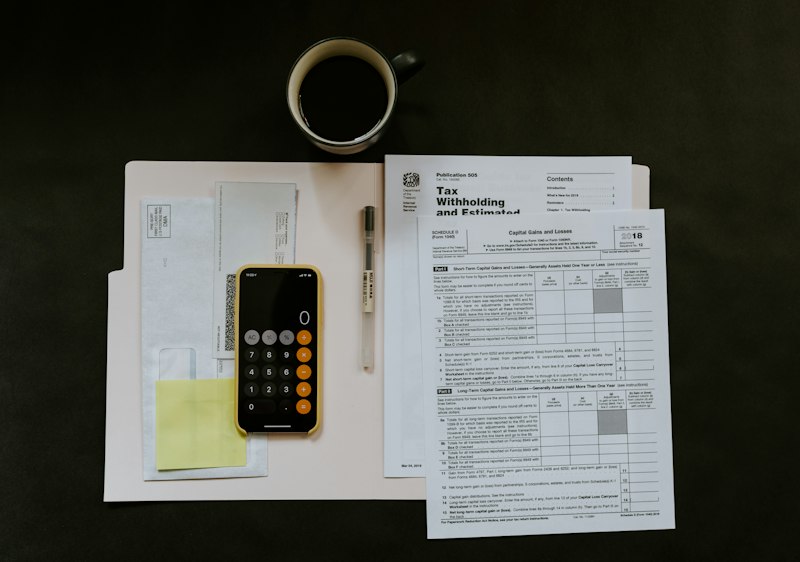
Over the past decade working with hundreds of small business owners, I've seen the same patterns over and over: businesses that looked profitable on paper but couldn't make payroll. Companies with $500,000 in annual revenue struggling to pay a $3,000 supplier invoice. The difference between those businesses and the ones that thrive? A disciplined, proactive approach to managing cash flow.
What Is Cash Flow — And Why It's Not the Same as Profit
Before diving into strategy, let's clarify something that trips up many business owners. Profit and cash flow are not the same thing.
Profit is an accounting concept: it's revenue minus expenses, calculated on paper. A business can show a $50,000 profit for the year even if its bank account is empty, because profit is recorded when invoices are sent — not when cash actually arrives.
Cash flow is the actual movement of money in and out of your business account. It's the real-world, day-to-day reality of whether you have money available to pay bills, staff, and suppliers.
The 3 Types of Cash Flow You Must Understand
Every cash flow statement is divided into three sections. Understanding each one helps you diagnose where your money is going and where problems are hiding.
| Type | What It Includes | Healthy Sign | Warning Sign |
|---|---|---|---|
| Operating Cash Flow | Day-to-day business operations — sales revenue, payroll, rent, utilities | Consistently positive | Negative for 2+ months |
| Investing Cash Flow | Purchase/sale of assets — equipment, property, investments | Strategically negative | Unplanned large outflows |
| Financing Cash Flow | Loans, investor funding, dividend payments, equity changes | Positive during growth phase | Over-reliance on debt |
Most small businesses only focus on operating cash flow, but all three matter. A company can have negative operating cash flow and still be healthy if investing activity is temporarily eating funds for growth. Context is everything.
How to Build a Cash Flow Forecast (Step by Step)
A cash flow forecast is simply a forward-looking estimate of all money coming in and going out of your business over a set period — typically 13 weeks (3 months) or 12 months. Here's how to build one:
- List all expected cash inflows: Start with confirmed sales, recurring clients, subscription revenue, and any expected loan disbursements. Be conservative — only include payments you're highly confident will arrive on time.
- List all fixed cash outflows: Rent, loan repayments, insurance, salaries, subscription software. These are non-negotiable and should be listed first.
- Add variable cash outflows: Cost of goods sold, freelancer payments, marketing spend, travel. Estimate based on historical data or expected sales volume.
- Calculate weekly/monthly net cash: Inflows minus outflows = net cash position. Add this to your opening bank balance to get your projected ending balance.
- Identify danger zones: Any week or month where the projected balance goes below your minimum comfortable level (usually 1–2 months of expenses) requires action now.
- Update weekly: A cash flow forecast is only useful if it's live. Update it every Monday morning with actual figures from the prior week.
7 Proven Strategies to Improve Your Cash Flow
Knowing the problem is step one. Here are the most effective strategies I've seen business owners use to transform their cash flow from chaotic to controlled:
1. Shorten Your Invoice Payment Terms
If you're currently offering net-30 or net-60 payment terms, consider tightening them. Net-15 or even immediate payment (with a small discount incentive) can dramatically improve your incoming cash timing. According to the U.S. Chamber of Commerce, the average small business waits 67 days to get paid — that's two months of cash trapped in invoices.
2. Offer Early Payment Discounts
A 2% discount for payment within 10 days (written as "2/10 Net 30") is a powerful incentive. For many clients, getting a 2% discount is worth paying early. For you, getting cash 20 days faster is often worth giving up that 2%.
3. Negotiate Longer Terms with Suppliers
While tightening terms for your customers, try to extend terms with your own suppliers. Moving from net-30 to net-45 or net-60 gives you a buffer. Many established suppliers will accommodate this for good clients — just ask.
4. Establish a Business Line of Credit (Before You Need It)
This is the advice most business owners hear too late. A business line of credit works like a safety net — it's available when you need it, and you only pay interest on what you use. Apply for it when your business is healthy, not when you're desperate. Banks lend to businesses that don't need money, not to the ones that do.
5. Cut Unnecessary Recurring Expenses
Every business accumulates "zombie subscriptions" — software, services, and memberships that are being paid for but barely used. Conduct a monthly audit of every recurring charge. Eliminating $500/month in unused subscriptions saves $6,000 per year in real cash.
6. Invoice Immediately and Follow Up Aggressively
Send invoices the same day work is completed or delivered — not at the end of the month. Set up automatic reminders at 7, 14, and 21 days past due. Most late payments aren't intentional; clients simply forgot. A polite automated reminder costs you nothing and gets you paid.
7. Build a Cash Reserve
Aim to maintain at least 3 months of operating expenses in a dedicated business savings account. This "war chest" protects you from seasonal dips, unexpected expenses, and client payment delays. Start by saving 5–10% of every payment you receive until you reach your target.
Cash Flow vs. Working Capital: What's the Difference?
| Metric | Definition | Formula | Ideal Range |
|---|---|---|---|
| Cash Flow | Actual cash movement in/out of business | Cash In − Cash Out | Consistently positive |
| Working Capital | Short-term financial health | Current Assets − Current Liabilities | Ratio of 1.5–2.0 |
| Operating Cash Flow Ratio | Ability to pay short-term debt with operations | Operating Cash Flow ÷ Current Liabilities | Above 1.0 |
| Days Sales Outstanding (DSO) | Average days to collect payment | (Accounts Receivable ÷ Annual Revenue) × 365 | Under 45 days |
| Days Payable Outstanding (DPO) | Average days to pay suppliers | (Accounts Payable ÷ COGS) × 365 | 30–60 days |
The Best Tools for Cash Flow Management in 2026
You don't need to manage cash flow on spreadsheets anymore. Here are the tools that thousands of small businesses use to stay on top of their numbers:
- QuickBooks Online — The industry standard for small business accounting, with built-in cash flow reports and forecasting. Visit QuickBooks
- Float — Purpose-built cash flow forecasting tool that syncs with QuickBooks, Xero, and FreeAgent in real time.
- Wave — A completely free accounting and invoicing platform, ideal for freelancers and micro-businesses.
- Xero — Cloud-based accounting with beautiful dashboards and strong forecasting features for growing businesses.
- Pulse — Simple, visual cash flow forecasting for non-accountants. Ideal if you want a bird's-eye view without the complexity.
For a quick financial health check, use our free ROI Calculator and Loan Calculator to model different business scenarios instantly.
Common Cash Flow Mistakes (And How to Avoid Them)
| Mistake | Why It's Dangerous | How to Fix It |
|---|---|---|
| Mixing personal and business finances | Makes tracking impossible, creates tax issues | Open a dedicated business account today |
| Not invoicing on time | Delays cash by weeks or months | Invoice same day as delivery |
| No cash reserve | Any disruption becomes a crisis | Save 5–10% of every payment |
| Ignoring slow-paying clients | DSO creeps up, cash dries up | Automated payment reminders + late fees |
| Over-investing in inventory | Cash trapped in unsold stock | Just-in-time ordering + demand forecasting |
| No cash flow forecast | Flying blind into financial trouble | Build a 13-week rolling forecast |
Seasonal Cash Flow: How to Survive the Slow Months
If your business is seasonal — retail, tourism, landscaping, tax preparation — you know the feast-or-famine cycle all too well. Here's how to smooth it out:
- Identify your slow months: Look at 3 years of bank statements to see your exact revenue pattern. Most seasonal businesses have predictable patterns.
- Build a seasonal reserve: During peak months, automatically transfer a percentage of revenue into a seasonal reserve account. Many accountants recommend saving 15–25% of peak revenue.
- Create off-season revenue streams: A landscaping company can offer snow removal. A tax firm can offer bookkeeping services year-round. Think about complementary services that leverage your existing expertise.
- Negotiate annual contracts: Moving clients to annual or monthly retainer agreements smooths out revenue and makes cash flow far more predictable.
- Pre-sell peak season offerings: Offer discounts for clients who book and pay during your slow season. This brings cash in early and locks in future revenue.
Conclusion: Take Action Today
Cash flow problems don't fix themselves — they compound. The business owner who starts building a 13-week cash flow forecast today is in a dramatically better position six months from now than the one who keeps meaning to "get around to it."
Start with the basics: open your bank account right now, look at your balance, identify your next three large outflows, and confirm when your next three large payments will arrive. That five-minute exercise is the beginning of real cash flow management.
Explore more business finance tools on our site: use the Loan Calculator to evaluate financing options, or read our guide on ROI vs ROAS to connect your cash flow to your marketing spend.
🔗 Related Tools & Articles
Frequently Asked Questions
A healthy operating cash flow ratio is above 1.0, meaning your operations generate more cash than your current liabilities. For most small businesses, aim to keep 2–3 months of operating expenses in cash reserves at all times.
At minimum, review your cash position weekly and update your 13-week forecast every Monday. During growth phases or financial stress, daily monitoring is recommended.
Absolutely — and this is one of the most dangerous scenarios in business. It's called a "profitability trap." It commonly happens when a business is growing fast (spending on inventory and staff before collecting from customers) or when clients are consistently paying late.

Written and reviewed by
Rachel Torres
Rachel Torres is the BusinessFocusHub editorial author for practical guides on business finance, marketing, productivity, and online tools. Her articles focus on clear steps, realistic trade-offs, and reader-first advice for entrepreneurs and small business owners.