Acquiring a new customer costs 5 to 25 times more than retaining an existing one. Yet most small businesses invest the vast majority of their marketing budget chasing new customers while neglecting the gold mine of repeat buyers sitting in their existing customer base. A well-designed customer loyalty program is the most cost-effective way to increase revenue, reduce churn, and turn your best customers into passionate brand advocates.
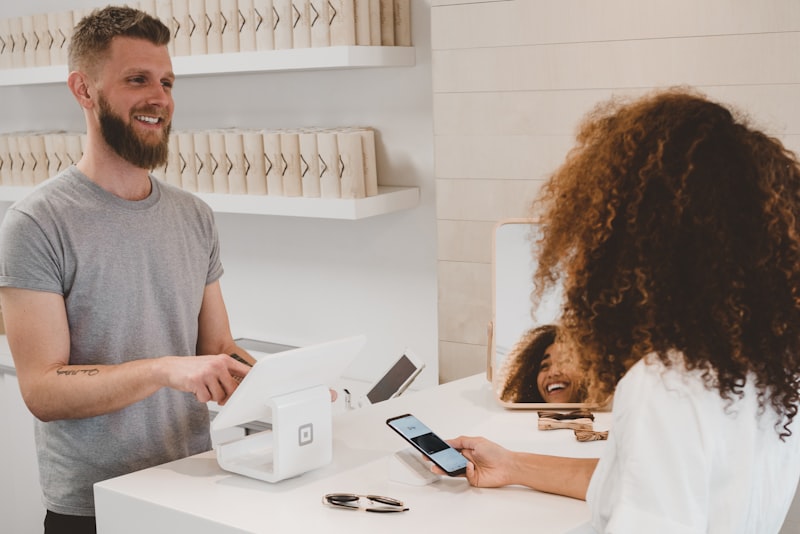
In 2026, customers are more discerning than ever. The generic "buy 10 get 1 free" punch card doesn't cut it anymore. The loyalty programs that genuinely drive business results are built on value, personalization, and emotional connection — not just transactional discounts. This guide shows you exactly how to design, launch, and optimize a loyalty program that measurably improves your bottom line.
The Business Case for Customer Loyalty Programs
The numbers around customer loyalty are staggering. Research from Bain & Company shows that increasing customer retention by just 5% increases profits by 25–95%. The reason is compound: loyal customers buy more frequently, have a higher average order value, cost less to serve (they know your product), and refer new customers at no acquisition cost to you.
Starbucks' loyalty program (Starbucks Rewards) generates over 55% of the company's U.S. revenue. Amazon Prime has a 93% renewal rate. Sephora's Beauty Insider has 35 million members who spend 3× more than non-members. These programs aren't just perks — they're fundamental revenue engines.
The 5 Core Types of Loyalty Programs
1. Points-Based Programs
Customers earn points for every purchase (and often for reviews, referrals, social shares, and birthdays) which they can redeem for discounts, products, or experiences. Points programs are the most common type because they're intuitive, flexible, and create a compelling reason to return. The key design principle: make points feel achievable. If it takes 2 years to earn a meaningful reward, people disengage immediately.
2. Tiered Programs
Customers advance through status levels (Bronze, Silver, Gold, Platinum) based on spending, earning increasing benefits at each tier. Tiered programs are exceptionally effective because they leverage human psychology's desire for status and achievement. Top-tier members feel VIP and special — they spend more to maintain their status and refer friends because the program is part of their identity.
3. Paid / Premium Programs
Customers pay a fee (monthly or annual) for access to exclusive benefits: free shipping, priority service, members-only pricing, or premium content. Paid programs seem counterintuitive — why would customers pay to be loyal? But the research shows that paid program members shop 60% more frequently than free program members because the paid fee itself creates psychological commitment ("I paid for this, I need to use it").
4. Value-Based / Mission Programs
Instead of discounts, customers earn the ability to support causes they care about — tree planting, charitable donations, community initiatives. These programs attract and retain customers who are motivated by shared values rather than pure economics. They're particularly effective for brands in the sustainability, health, and lifestyle spaces and tend to generate extraordinary word-of-mouth.
5. Referral Programs
Customers earn rewards for bringing new customers to your business. Referral programs are arguably the most cost-efficient customer acquisition channel because you only pay for results. Both the referrer and the new customer receive a benefit, making it a genuinely win-win proposition. Dropbox grew from 100,000 to 4 million users in 15 months largely through a referral program giving extra storage space.
Designing Your Tiered Program: A Framework
BRONZE
- 5% discount on all purchases
- Birthday reward
- Early access to sales
- Members-only newsletter
SILVER
- 10% discount
- Free shipping over $50
- Priority customer support
- Bronze perks included
GOLD
- 15% discount
- Free shipping (always)
- Exclusive products
- Early product launches
PLATINUM
- 20% discount
- Dedicated account manager
- Co-creation opportunities
- Invites to exclusive events
Loyalty Program Design Principles: What Separates Winners from Losers
| Winning Programs Do This | Failing Programs Do This |
|---|---|
| Make rewards feel achievable (first reward in 1–2 visits) | Set rewards so high customers give up before earning anything |
| Reward engagement beyond purchases (reviews, referrals, social) | Only reward transactions — missing non-monetary engagement |
| Personalize rewards based on customer preferences and history | Send the same generic offer to all 10,000 members |
| Communicate tier status regularly ("You're 50 points from Silver!") | Let members forget they're in the program |
| Create emotional connection, not just transactional value | Compete purely on discount percentage |
| Make signing up effortless (< 60 seconds) | Require lengthy forms and phone number verification |
The Technology Stack for Small Business Loyalty Programs
You don't need custom software to launch an effective loyalty program. These platforms handle the technology so you can focus on strategy:
- Smile.io — Best for e-commerce (Shopify, BigCommerce). Points, referrals, and VIP tiers. Free plan available; paid from $49/month.
- Yotpo Loyalty — Enterprise-grade for high-volume e-commerce. Integrates with reviews, SMS, and email marketing.
- Fivestars — Best for brick-and-mortar businesses. Digital punch cards, automated marketing, POS integration. From $99/month.
- Referral Rock — Purpose-built referral program software. Best for service businesses and SaaS. From $200/month.
- LoyaltyLion — Strong for mid-market e-commerce. Excellent personalization and segmentation features.
To measure the ROI of your loyalty program, use our free ROI Calculator. Input your program costs (technology, rewards, management time) against the measurable increases in customer lifetime value and referral revenue.
Measuring Your Loyalty Program's Success
Track these KPIs monthly to assess whether your program is delivering real business value:
| Metric | Formula | Healthy Benchmark |
|---|---|---|
| Program Enrollment Rate | Members / Total Customers × 100 | 30–50% for established programs |
| Active Member Rate | Active Members / Total Members × 100 | 25–40% (transacted in last 90 days) |
| Redemption Rate | Rewards Redeemed / Rewards Issued × 100 | 20–30% (low = poor UX; high = unsustainable) |
| Member vs. Non-Member AOV | Member AOV / Non-Member AOV | Members spend 1.2–1.6× more on average |
| Customer Lifetime Value (CLV) | Avg. Purchase × Frequency × Retention | Should increase 15–30% after program launch |
| Referral Rate | Referred New Customers / Total New Customers | 15–25% of new customers from referrals |
Conclusion: The Loyalty Flywheel
A well-designed loyalty program creates a virtuous cycle: loyal customers buy more frequently, their data helps you personalize offers better, better offers create more loyalty, and loyal customers refer new members who enter the cycle. Over time, this flywheel becomes one of the most defensible competitive advantages your business can build.
Start simple: identify your top 20% of customers (who generate 80% of your revenue), understand what they value most beyond price, and design a program that delivers that value in exchange for their continued business. Test, measure, and iterate. The compounding effects on customer lifetime value and referral growth will exceed your expectations.
Combine your loyalty strategy with strong email marketing to communicate with members, and read our guide on key business metrics to track the full impact of your customer retention efforts.
🔗 Related Resources

Written and reviewed by
Rachel Torres
Rachel Torres is the BusinessFocusHub editorial author for practical guides on business finance, marketing, productivity, and online tools. Her articles focus on clear steps, realistic trade-offs, and reader-first advice for entrepreneurs and small business owners.