
A practical guide to earning money with AI services by solving real business problems, pricing responsibly, avoiding hype, and building offers clients can trust. This guide avoids “get rich quick” claims and focuses on practical offers, real customer problems, responsible AI use, and income paths that require skill, testing, and trust.
| Area | What to build | Why it matters |
|---|---|---|
| Best first offer | Audit, setup, documentation, or content system | Clear scope and low client risk |
| Proof needed | Before-and-after example, testimonial, or sample deliverable | Build trust without income hype |
| Risk to avoid | Guaranteed earnings, private data exposure, generic AI output | Use review and transparency |
| Growth path | Pilot project, repeatable package, monthly improvement | Turn service into a system |
The realistic way to earn with AI services
The most sustainable way to make money with AI is not to sell the phrase “AI” by itself. Businesses do not pay for buzzwords. They pay for faster workflows, clearer marketing, better customer support, cleaner data, stronger sales follow-up, and fewer repeated tasks. AI becomes valuable when it helps deliver one of those outcomes with less friction.
This distinction matters for AdSense, SEO, and trust. Articles that promise effortless income from AI often look like business opportunity hype. A better approach is to show realistic paths, costs, skills, limits, examples, and risks. That helps readers make informed decisions instead of chasing a fantasy.
A service-based path is often safer than selling a vague course or “passive income system.” You can start with a narrow offer, deliver it manually with AI assistance, improve your process, collect feedback, and only then automate parts of delivery. The business grows from evidence, not from slogans.
Choose one painful business problem
Start by choosing a problem that small businesses already understand. A local clinic may need better appointment reminders. A consultant may need lead follow-up templates. An ecommerce store may need product descriptions rewritten with clearer benefits. A real estate agent may need listing copy, social posts, and client FAQs organized into a repeatable workflow.
Do not start with “I sell AI.” Start with “I help service businesses respond to leads faster,” or “I help online stores improve product pages,” or “I help teams build internal knowledge bases.” AI is the engine behind part of the work, but the offer is the outcome.
Use market research before building packages. Read customer reviews, business forums, job posts, support tickets, and competitor pages. Look for repeated language: slow response, confusing process, inconsistent content, too much admin, no reporting, missed follow-up. Those phrases tell you where buyers feel pain.
Build a simple service ladder
A service ladder gives clients a clear entry point. For example, start with an audit, then a setup package, then monthly improvement. An AI workflow audit might review current tools, repeated tasks, customer messages, and handoffs. The setup package might create templates, prompts, automation rules, and documentation. The monthly plan might review performance and update assets.
This is easier to sell than a massive all-in-one AI transformation. Clients need confidence before committing. A small diagnostic offer lets them see how you think. It also protects you from taking on vague projects with no boundaries.
Each package should include deliverables, exclusions, timeline, responsibilities, and review points. If you use AI tools, explain which parts are AI-assisted and which parts receive human review. That transparency helps prevent disappointment and protects the quality of your work.

Price for value and risk, not tool cost
Many beginners price AI services too low because the software is inexpensive. That is a mistake. Clients are not paying only for the tool. They are paying for diagnosis, setup, judgment, editing, testing, communication, documentation, and accountability. A prompt copied into a tool is not the same as a reliable business workflow.
At the same time, do not overprice based on hype. If the result is small, the price should match. Start with simple fixed packages: audit, setup, content system, automation map, reporting dashboard, or training session. As you gain proof, refine pricing around business value.
Avoid income claims like “earn $10,000/month with AI.” They can attract clicks but damage trust. A better article or sales page explains what affects revenue: niche, skill, sales ability, client budget, quality of delivery, referrals, and retention.
Protect client data and reputation
AI service providers must handle data carefully. Do not paste sensitive customer lists, private contracts, medical data, legal files, payment details, passwords, or confidential strategy into tools without permission and a clear privacy process. Data handling is part of professional service delivery.
Create a simple client data policy. Explain what information you need, how you use tools, what you avoid uploading, and when human review happens. If a client operates in a regulated field, encourage them to involve qualified legal, privacy, or compliance support.
Reputation also matters. If you create customer-facing content, review for accuracy, tone, claims, and brand fit. AI can produce confident mistakes. Your value is partly in catching those mistakes before they reach customers.
Find your first clients without spam
Start with a specific audience. A broad message like “I can help any business with AI” is weak. A focused message like “I help small accounting firms turn repeated client questions into a reviewed FAQ and onboarding sequence” is clearer. Specificity makes outreach feel relevant rather than generic.
Use useful outreach. Point to a visible problem, offer a small observation, and suggest a low-risk next step. Do not mass-send exaggerated promises. Build trust by showing that you understand the business. A short audit, sample workflow, or before-and-after example can be more persuasive than a long pitch.
Referrals can work well because AI services require trust. Ask satisfied clients what changed after your work, then request permission to use a testimonial or anonymous case study.
Measure results honestly
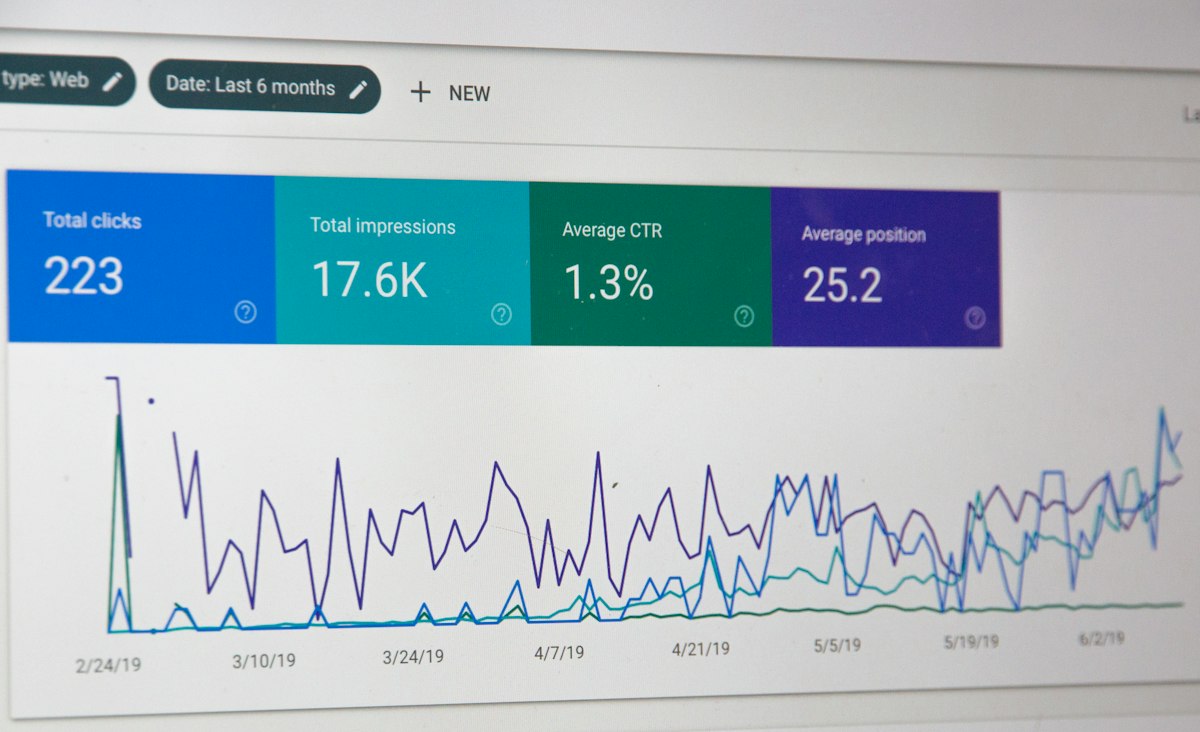
A strong AI service should have measurable outcomes. Depending on the project, track response time, hours saved, content production time, support ticket reduction, lead follow-up completion, conversion quality, customer satisfaction, or fewer repeated errors.
Be careful with vanity metrics. More content published is not always better. More emails sent is not always better. The best metrics connect to business value and customer experience.
When results are mixed, say so. Honest reporting helps clients make better decisions and helps you improve the service. Long-term trust is more valuable than a short-term exaggerated win.
A practical 30-day launch plan
Week one: choose one niche and one problem. Interview three to five people or review public evidence. Week two: build a small service package and a sample deliverable. Week three: contact a focused list of prospects with helpful, specific outreach. Week four: deliver one pilot project, gather feedback, and improve your process.
This is not instant money. It is a realistic service-building process. The advantage of AI is speed and leverage, but the business still depends on positioning, trust, delivery, and client results.
If you treat AI as a tool inside a real service, you can build something durable. If you treat AI as a shortcut around business fundamentals, the model usually collapses when clients ask for proof.
Checklist before selling your first AI service
Before you contact clients, prepare a simple checklist. Define the business problem, the target customer, the exact deliverable, the timeline, the price, the data you need, the review process, and the result you will measure. This prevents the offer from sounding like a vague AI experiment.
A strong checklist also protects your reputation. If a client asks for something outside your skill level, you can say no or narrow the scope. If a task involves sensitive legal, medical, financial, or private information, you can recommend professional review instead of pretending AI can safely handle everything.
For example, an AI content workflow for a local service company may include customer question research, outline creation, draft generation, human editing, internal links, source checks, and final approval. That is a real service. A promise to generate unlimited content overnight is not.
How to create proof without fake income claims
Proof is essential, but it should be honest. If you do not have clients yet, create a sample project using a fictional business or your own site. Show the before-and-after workflow, explain your decisions, and describe what a client would receive. This gives prospects something concrete to evaluate.
When you do get a client, ask for permission to describe the project. You can use anonymous case studies if the client prefers privacy. A useful case study explains the problem, the process, the deliverables, the limitations, and the outcome. It does not need to promise that every client will get the same result.
This kind of proof is safer for AdSense and more persuasive for serious buyers. It shows competence without making exaggerated earnings claims.
Common mistakes that make AI service offers fail
The first mistake is selling tools instead of outcomes. Clients do not care that you use a language model, automation platform, or prompt library unless it improves their business. Lead with the problem and the result.
The second mistake is accepting every project. If you try to serve every industry and every task, you will produce generic work. Choose a niche where you can learn the vocabulary, common objections, and practical workflows.
The third mistake is underestimating editing time. AI can create a draft quickly, but quality service requires review, correction, formatting, client communication, and testing. Price for the full workflow, not only the minutes spent generating text.
When to turn a service into a product
After delivering the same service several times, look for repeatable parts. Templates, checklists, onboarding forms, audit sheets, training materials, and standard reports can become digital products or internal assets. This is how an AI service becomes more scalable without becoming careless.
Do not productize too early. If you package a process before understanding client problems, you may build something nobody wants. Service work teaches you what buyers actually need. Productization should come after repeated evidence.
Official guidance worth reading
Because AI income claims can easily become misleading, compare your plan with official guidance: FTC advertising and marketing guidance, SBA market research guidance, Google people-first content guidance. These sources help keep your offer realistic, transparent, and reader-first.
FAQ
Can you really make money with AI services?
Yes, but usually by solving a specific business problem, not by selling vague AI promises. Examples include workflow automation, content operations, customer support setup, reporting, research, and training.
What AI service should beginners start with?
Start with a service you can explain and deliver reliably, such as AI-assisted content repurposing, CRM cleanup, customer FAQ setup, simple automation documentation, or research summaries with human review.
How much should I charge for AI services?
Pricing depends on the problem, client value, delivery time, risk, and your experience. Begin with clear project packages rather than unrealistic income claims.
Is it safe to promise guaranteed AI income?
No. Guaranteed income claims can be misleading and may violate advertising rules. Use honest examples, clear limitations, and written scopes of work.
Do clients need to know AI is used?
In many cases, transparency builds trust. Explain where AI helps, where human review happens, and how client data is protected.
Recommended next step
Choose one specific audience, one painful workflow, and one small offer you can deliver with human review. Avoid income promises. Build proof with a pilot project before scaling.
Continue with Business automation guide, Choosing a CRM, Client retention strategy.

Written and reviewed by
Rachel Torres
Rachel Torres is the BusinessFocusHub editorial author for practical guides on business finance, marketing, productivity, operations, and online tools. Her articles focus on clear steps, realistic trade-offs, and reader-first advice for entrepreneurs and small business owners.